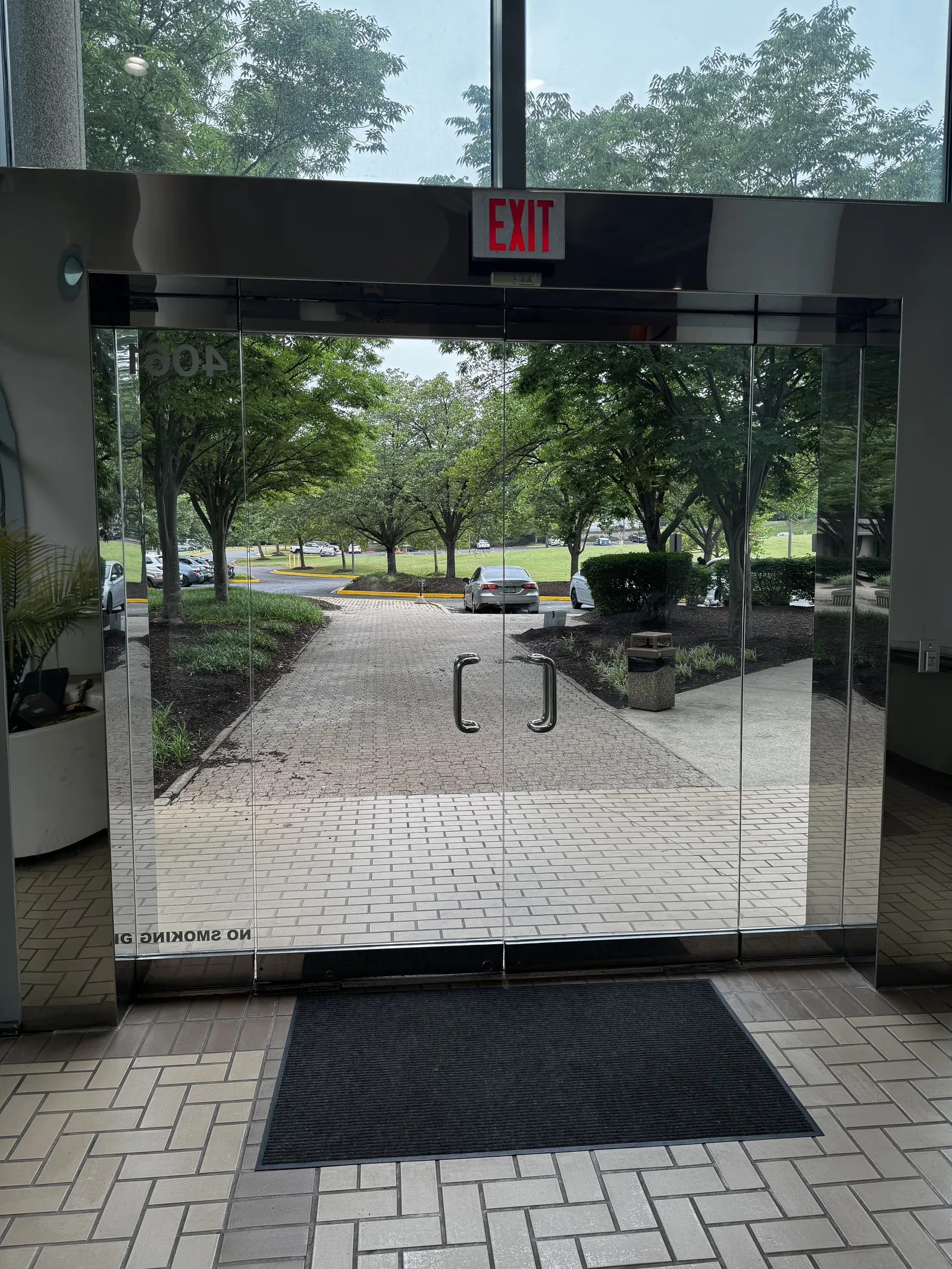
Every sliding door in Florida is on the same journey. Year one: it glides with a fingertip. Year five: it needs a real pull. Year ten: someone in the house has a technique — lift a little, lean into it, curse quietly. Because the decline is gradual, most homeowners assume the door is just old and that living with it (or replacing the whole door) are the options. Neither is true. A sliding door is a panel riding on two small roller assemblies, and almost everything about the way it ages lives in those two assemblies, the track under them, and the grit that Florida feeds both. Here is what is actually happening under your door.
The rollers: small parts, total responsibility
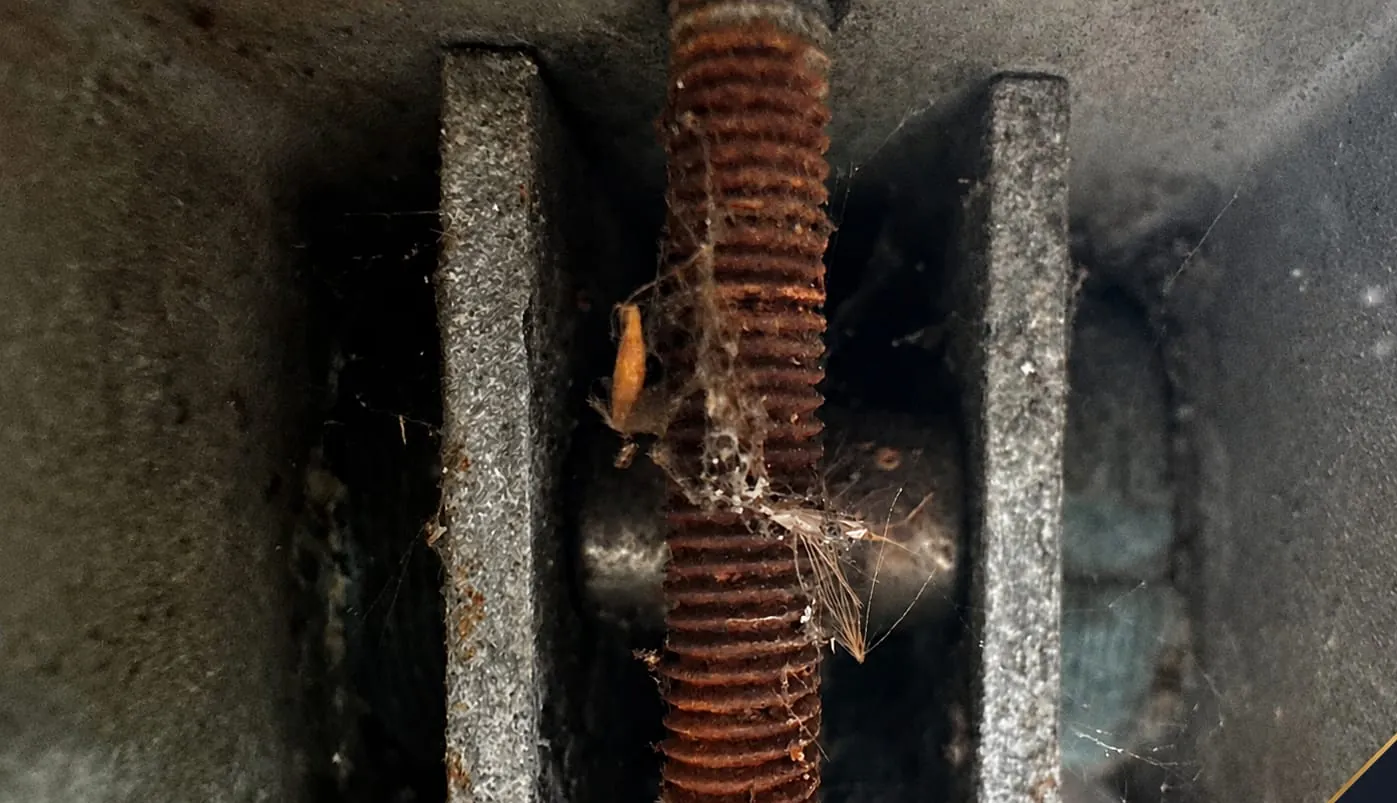
Each sliding panel typically rides on two roller assemblies set into its bottom rail. Each assembly carries the full weight of a large glass panel on a wheel about an inch and a half across. New, the wheel is round, its bearing is smooth, and the panel's considerable weight is an easy job. Then Florida gets to work. Sand — tracked in from yards, pool decks and beaches — grinds into the track and embeds in the wheel. Humidity and salt air corrode the bearing. The wheel develops flat spots, then stops turning altogether, and from that moment the panel is not rolling: it is being dragged, metal on metal, along an aluminum rail that was never meant to be a slide bearing. That is the grinding you hear, and it is also why the problem accelerates — a dragging panel wears the track, and a worn track destroys the next set of rollers even faster.
Why lubricant makes it worse
The instinctive fix — spray something slippery into the track — is the one move that reliably makes things worse. Oil and silicone sprayed onto a dirty track bind the grit in place and turn it into grinding paste that the wheels then run through on every pass. Doors feel better for about a week, then worse than before, and the track has taken another month of damage. If a track must be lubricated at all, it is after it has been cleaned to bare metal and dressed — and a healthy track with healthy rollers needs almost none. The rollers are the repair. The track is the inspection that comes with it.
What a real repair looks like
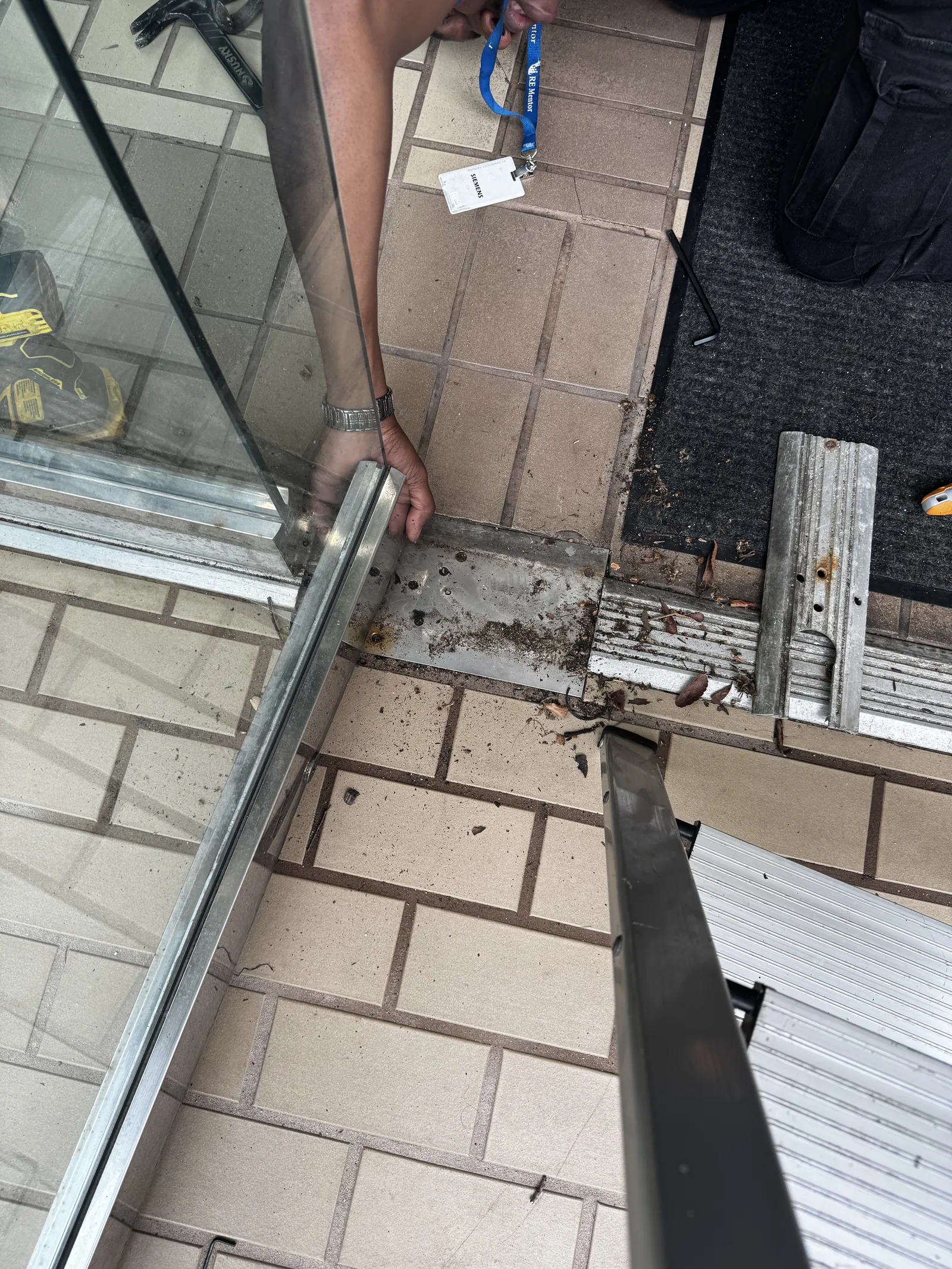
A proper roller job is diagnostic before it is mechanical. The panel is lifted out and the old assemblies are read like a logbook: flat-spotted wheels say the bearing seized long ago; rust says water is sitting where it should not; a wheel worn to one side says the track has a problem that new rollers alone will not survive. The track gets cleaned and checked for the knife-edge ridge a worn rail develops; if the ridge is there, a stainless track cap restores a true running surface over the original profile. New rollers go in as a matched pair, correct for the door — and 'correct' matters, because slider manufacturers have used hundreds of roller assemblies at different heights, and a wrong-height roller leaves the panel unlevel no matter how it is adjusted. Finally the panel is re-hung, leveled, the reveals checked at all four corners, and the lock re-aligned to its keeper, because a door that sits differently locks differently. The result is not subtle: the door your shoulder remembers is replaced by a door a child can open.
When it is not the rollers
Sometimes the diagnosis surprises. A track bent by a dropped object or a ladder mishap. A frame that has moved because the house settled on sandy soil. A panel slightly warped from years of sun on one face. Each has its own fix, and a good technician names the actual one before quoting anything. What does not change is the order of operations: inspect the whole system — rollers, track, frame, lock — then quote in writing, then repair. A door that is hard to open is not a character flaw of old houses. It is a mechanical symptom with mechanical causes, and in the overwhelming majority of Florida homes, it is an hour's work away from gliding again.
Door questions in Florida?
Talk to the crew: (855) 640-0404 — or find your city on the Florida page.