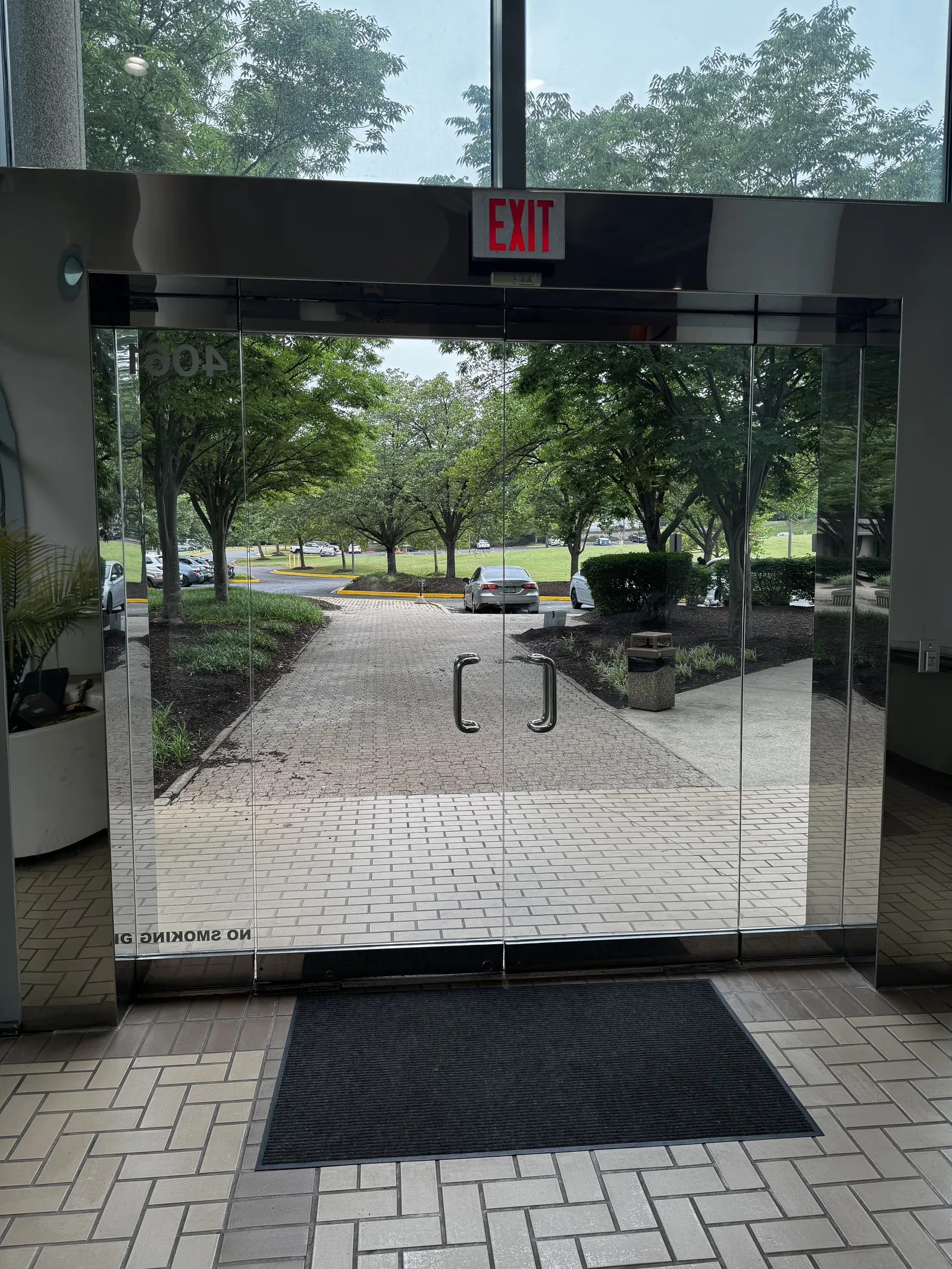
When a hurricane comes for a Florida house, it does not attack the walls. It attacks the openings — and no opening is larger or mechanically weaker than a sliding glass door. Two, three or four panels of glass, some of them movable, held in a frame by hardware designed for daily convenience. Post-storm engineering reviews have been consistent for decades: once wind or debris breaches a large opening, internal pressure builds and the roof becomes the next failure. That is why Florida's building code treats sliding doors in coastal zones as structural components, and why the conversation about your slider before storm season is about ratings, locks and preparation — in that order.
What impact-rated actually means
An impact-rated sliding door is a tested system, not a sticker. In the High-Velocity Hurricane Zone — Miami-Dade and Broward counties — the door must hold a Miami-Dade Notice of Acceptance, earned by surviving large-missile impact tests (a 9-pound 2x4 fired at the glass) followed by thousands of cycles of positive and negative pressure. The glass is laminated: two panes bonded to an interlayer that holds the pane together as a membrane even when shattered, so the opening stays closed and the house stays unpressurized. Elsewhere in Florida's wind-borne debris regions, impact protection is likewise required for new and replacement openings — either impact-rated products or approved shutters. If your sliding door predates these standards, it is the largest unarmored surface of your home, and a wind-mitigation inspector will note it exactly that way.
How sliding doors fail in a storm
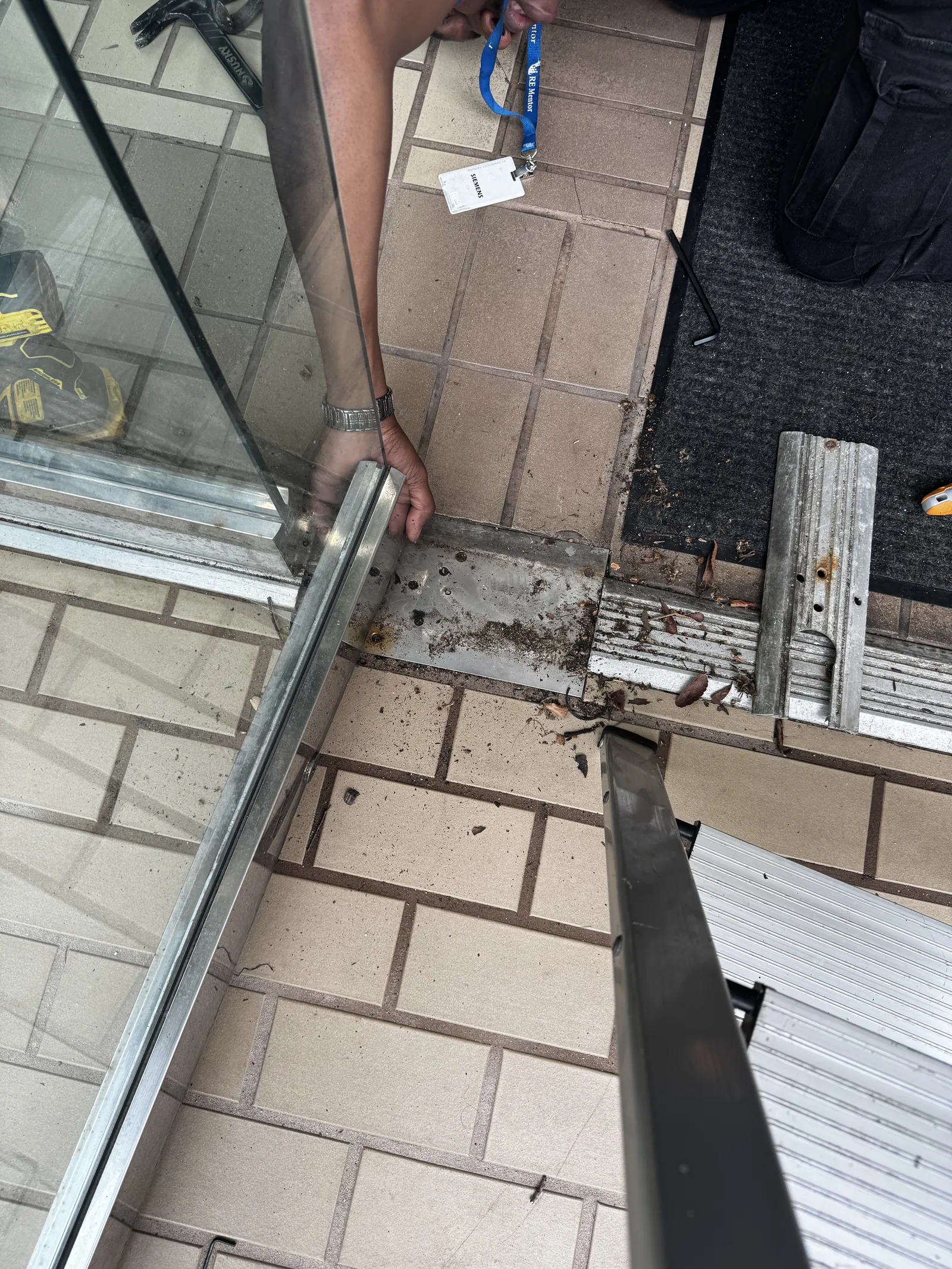
The failures are specific. Debris impact is the dramatic one. More common is what sustained wind does to an aging door: worn rollers and a flexing panel let the movable panel rack in its frame; failed or missing anti-lift protection lets wind rocking work a panel upward; tired weatherstripping admits driven rain long before any structural failure, soaking floors and walls through a six-hour storm; and a door whose lock only half-engages — extremely common on older sliders — is a door that wind pressure can persuade open. None of these require a direct hit. They are what an un-maintained door does in an ordinary tropical storm, which is most of what Florida actually gets.
The pre-storm checklist that matters
Walk this list every May, while parts and appointments are easy: One — the door must lock, fully, with the mortise hook engaging the keeper through its full throw; test it ten times, and if you have to lift or shove the door to lock it, that is a service call, not a quirk. Two — check the anti-lift: there should be blocks or screws in the head track above the panel that make lifting it out from outside impossible; if a burglar with a pry bar can lift your panel, so can a storm. Three — run the door: it should travel its full length without a dead spot, because a panel that will not fully close cannot seal. Four — inspect the weatherstripping and the sill drainage; pour a cup of water in the track and confirm it drains outside, not in. Five — know your glass: if your panels are not impact rated and you do not have shutters for the opening, that is the honest gap in your storm plan, and it is better identified in May than in a September forecast cone.
After the storm
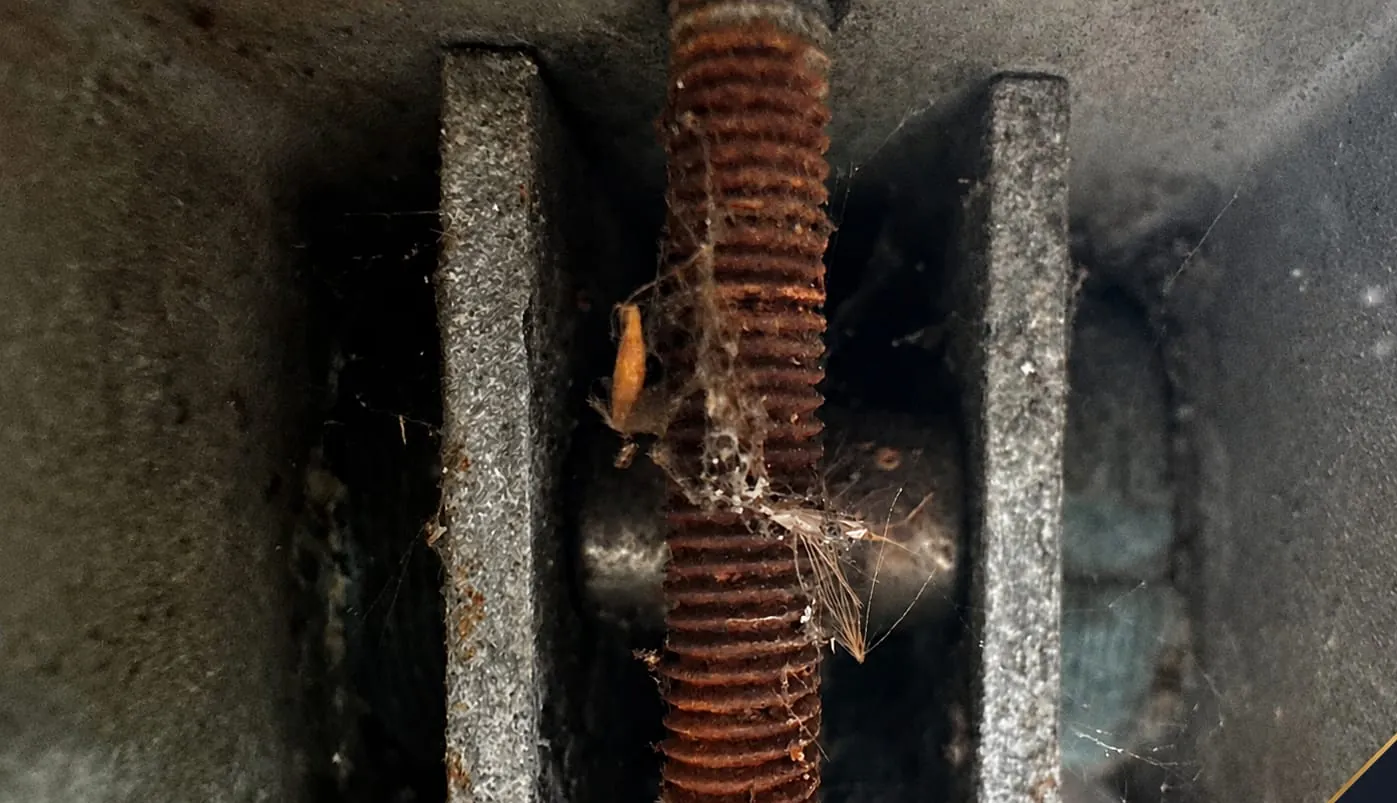
When a storm has passed, check the slider before assuming it is fine. Sand and grit blasted into the track will grind rollers on every pass until it is cleaned out. Panels that racked in the frame may now drag at one corner. Water that entered the track tests the drainage you meant to clear. And glass that took a debris strike can be cracked in ways that only show in raking light. A post-storm service visit is cheap insurance against the slow damage — the corroding track, the strained rollers — that a storm leaves behind. In Florida, a sliding door is not a decoration that opens. It is part of the building envelope. Season by season, treat it — and maintain it — like one.
Door questions in Florida?
Talk to the crew: (855) 640-0404 — or find your city on the Florida page.